Biohazard Cleanup
Blood, sewage, sharps and other biohazards removed and disinfected by cleanup crews in protective gear.
Learn more →Texas · Gregg County
Is there blood, decomposition or contamination in a home or business in Gladewater? Call (877) 812-4220 and get biohazard cleaners for death cleanup, suicide cleanup, hoarder cleanouts and infectious disease disinfection throughout Gregg County.
If anyone is in danger, call 911 first. For a suicide crisis, call or text 988.
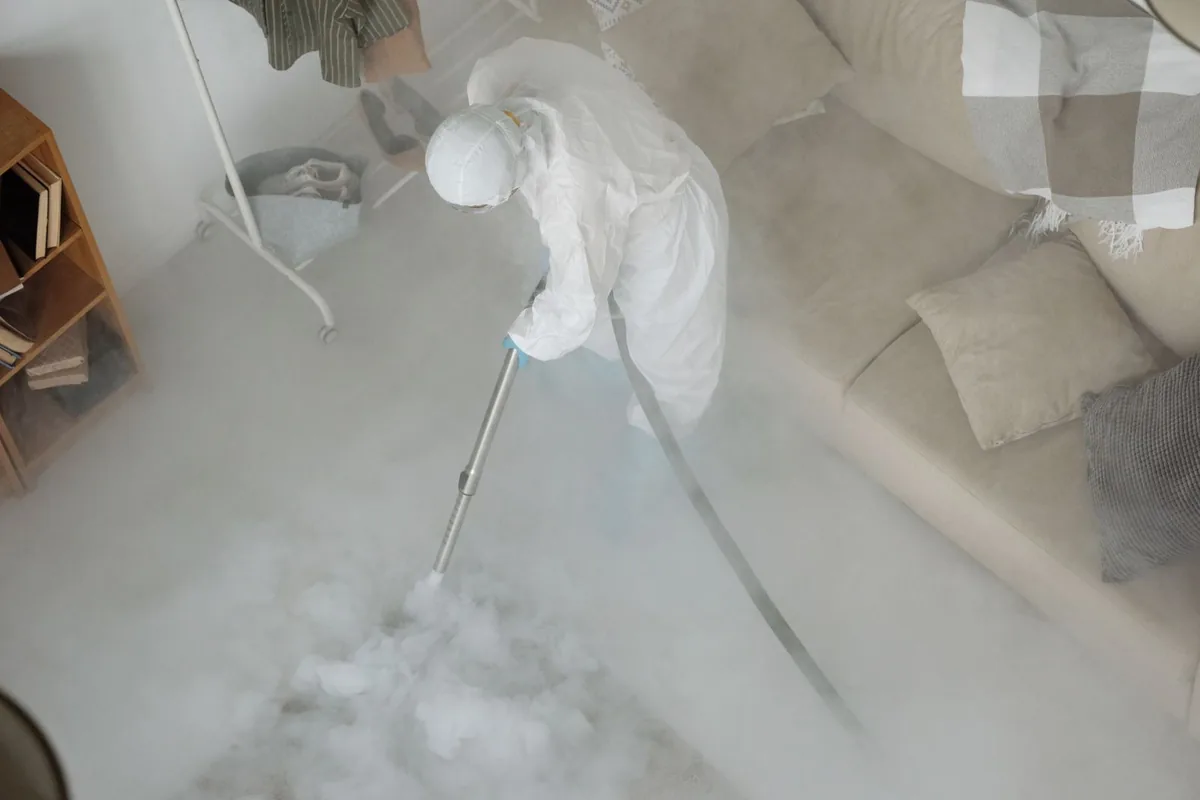
In plain terms, biohazard cleanup is decontamination after something harmful to health has been left behind. If you need cleanup in Gladewater, TX after a death, violent event, accident, spill or unsafe living conditions, call Gladewater Biohazard Cleanup Help and get a biohazard cleanup team ready for the job.
The goal is simple: nothing harmful left behind. Technicians work in protective gear, treat the whole affected area, remove contaminated materials and keep cleaning until the space is livable again. This work is available in Gladewater, across Gregg County and in towns like White Oak.
The census figure for older adults living alone in Gregg County is 30%, above the Texas average. When someone lives alone, a death can go unnoticed for days, and unattended death cleanup follows. Vacant properties make up about 10% of housing in Gregg County. When a house sits empty, droppings, mold and plumbing leaks can go unnoticed until someone checks.
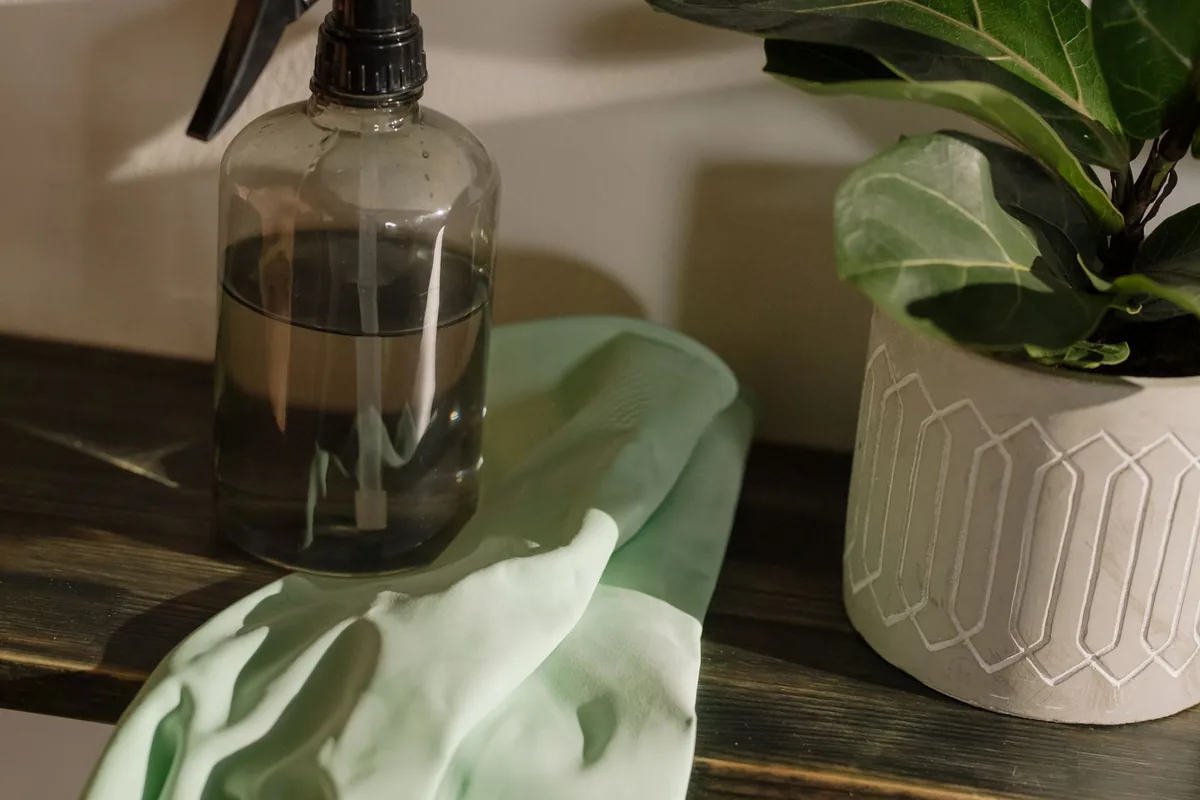
Household gloves and a spray bottle do not meet the standard for infectious materials. Biohazard decontamination follows 29 CFR 1910.1030, which sets rules for protective equipment, handling and disposal when blood or other potentially infectious materials are present.
Disposal is part of the job, not an afterthought. Biohazardous waste is bagged, labeled, kept apart from household trash and moved as regulated medical waste, with Texas medical waste transporters registered with the TCEQ.
Below are the cleanup services you can get in Gladewater, grouped by what happened: death and trauma, waste and hoarding, disease and drugs, and property cleanouts.
Blood, sewage, sharps and other biohazards removed and disinfected by cleanup crews in protective gear.
Learn more →Cleanup after violent crimes, break-ins and assaults, using protective gear and EPA-registered disinfectants.
Learn more →Trauma cleaners remove blood, bodily fluids and odor after injuries, violent events and sudden emergencies.
Learn more →Respectful biohazard cleanup for homes and rentals after an unattended death.
Learn more →Professional suicide cleaning services that spare relatives and landlords from the hardest part.
Learn more →Respectful homicide cleaning that removes blood, bodily fluids and odor after investigators release the scene.
Learn more →Blood in cars, vans and rideshare vehicles cleaned from seats, mats and panels, then disinfected.
Learn more →Human feces cleanup and removal in homes, rentals and workplaces, with odor treatment included.
Learn more →Human feces and urine cleanup in homes, rentals and workplaces, with disinfection and odor treatment.
Learn more →Decomposition odor removal that treats flooring, walls and air after an unattended death.
Learn more →Room-by-room help for families, landlords and residents dealing with a hoarded home.
Learn more →Hoarder house cleanout that clears every room and leaves the property ready for its next step.
Learn more →Respectful animal hoarder cleanup for owners, landlords and families, done step by step.
Learn more →Hoarding and filth cleaning that restores a home for living, repairs or a new tenant.
Learn more →Category 3 cleanup with protective gear, sealed disposal and EPA-registered disinfectants.
Learn more →Biohazard decontamination after outbreaks, with protective gear, set order of work and sealed disposal of waste.
Learn more →Cleaning first, disinfecting second: a careful process that targets the germs, not only the stain.
Learn more →Local biohazard disposal services, from one sharps container to rooms of contaminated medical supplies.
Learn more →Sharps cleanup with protective gear, puncture-resistant containers and proper medical waste disposal.
Learn more →Cleanup after police release: items, residue and soiled materials handled without judgment.
Learn more →Testing, removal, cleaning and retesting for properties where meth was made or heavily used.
Learn more →Fentanyl residue removal with protective gear, soft material removal and proper disposal.
Learn more →Chemical spill cleanup with containment, decontamination and records for insurers, buyers and inspectors.
Learn more →Hazmat cleaning for pavement, soil, buildings and equipment, with protective gear and lawful waste disposal.
Learn more →Careful tear gas removal that protects people and pets and documents the work for insurers.
Learn more →Droppings cleanup in kitchens, garages, ductwork and storage rooms with protective gear and sealed disposal.
Learn more →Containment, wet removal and disinfection of bat and bird guano in attics, barns and rooftops.
Learn more →Gentle, private cleanup after a pet or wild animal has died at your home or business.
Learn more →Hazmat car cleaning with protective gear, EPA-registered disinfectants and sealed disposal of contaminated parts.
Learn more →Discreet blood cleanup after an accident, so the space can reopen safely.
Learn more →Discreet after-hours service with unmarked vehicles, sealed work areas and regulated waste hauling.
Learn more →Estate cleanout after a death, handled step by step at the family's pace.
Learn more →The first conversation covers what happened, who owns the property and whether an insurer or landlord is involved. Nothing has to be decided on the spot.
Plastic sheeting, floor protection and air filtration go up before anything is moved. Protective gear goes on before the crew goes in.
Hazardous materials are removed, and every surface is cleaned and disinfected with EPA-registered products. Items that must go are packed as regulated waste.
Odor is neutralized, biohazardous waste leaves under medical waste rules, and a final inspection confirms the property is safe to use again.
Cleanup technicians know families may be grieving. They keep conversations short, kind and free of judgment, and they treat belongings with care.
Death odor and sewage smell are treated with air scrubbers and hydroxyl or ozone equipment, not masked with sprays that fade.
One biohazard cleanup company covers removal, disinfection, odor removal and damaged materials, so the family can step back.
A final inspection, with odor and surface checks where they help, confirms the area is safe before the cleanup is called complete.
Biohazard cleanup in Gladewater, TX typically costs $500 to $25,000, depending on the type of biohazard, the size of the affected area and how far fluids soaked into porous materials.
Most residential jobs cost $3,000 to $5,000 (Fixr). Biohazard cleanup costs depend on the type of biohazard, the size of the affected area and how far fluids soaked into porous materials. Pricing is set after an on-site assessment, and homeowners insurance often covers a large share.
| Type of job | Typical range |
|---|---|
| Blood spill cleanup, small area | $500 - $2,500 |
| Crime scene cleanup, most homes | $1,500 - $7,500 |
| Unattended death cleanup | $2,000 - $7,000 |
| Suicide cleanup | $1,500 - $5,500 |
| Sewage cleanup, most homes | $2,000 - $10,000 |
| Hoarding cleanup, level 3 home | $2,000 - $5,000 |
| Meth lab cleanup, typical | $15,000 - $20,000 |
Estimates only, not a quote. Sources: Fixr, Yelp Costs, BioCleaners Directory, PushLeads, Dropcurb, Bob Vila and cleanup company cost guides. Call (877) 812-4220 to talk through the job.
Families should never have to clean up after a suicide. Discreet suicide cleanup removes all traces with care and respect. Crisis support is available any time at 988.
After the Gregg County Sheriff's Office or local police release a scene, blood, bodily fluids and fingerprint powder remain. Law enforcement does not clean; the property owner calls crime scene cleaners.
Falls, power tool injuries, farm and industrial accidents and car crashes can leave blood and tissue behind. Accident scene cleanup removes the trace so the space can be used again.
Cars, trucks and work vehicles can carry biohazards after an accident, assault or medical event. Vehicle cleanup removes contaminated upholstery and disinfects every surface and vent.
After a serious illness at home, the Gregg County Health Department can answer public health questions, while a cleanup crew disinfects bedding, bathrooms and shared spaces.
Offices, shops, churches and other public spaces may need cleanup after an injury, illness outbreak or break-in. The work is planned around staff, customers and reopening dates.
Knowing the basic types and job sizes makes the first phone call easier. Describe what happened and where, and a cleanup specialist can tell you which category the job likely falls into.
It can. A homeowners or renters policy may cover crime scene cleaning after the deductible, and a business policy may cover a commercial property. Insurance is used first, then the Texas Crime Victims' Compensation Program may help with what remains after a violent crime.
Usually it is better not to. The affected area is sealed off, odor and chemicals may be present, and the work is easier to do safely with people and pets elsewhere. The crew can say what is safe for your situation.
Respirators, gloves, face protection, boot covers and disposable suits make up the usual personal protective equipment (PPE). It is put on before entering the work area and disposed of as contaminated waste afterwards.
The body is removed by a funeral home or the authorities. Cleaning the room afterwards is not their job; the family, landlord or estate hires biohazard cleaners for death cleanup, decomposition removal and odor removal.
Many jobs are priced by the scope of the work rather than as one simple hourly rate. The type of biohazard, the size of the area, the materials removed and waste disposal set the total. Ask the cleanup team how the cost is worked out.
OSHA's Bloodborne Pathogens Standard, 29 CFR 1910.1030, sets rules for protective equipment, handling, training and disposal when workers face blood or other potentially infectious materials. Biohazard cleanup crews follow it on every job.
The census figure for older adults living alone in Gregg County is 30%, above the Texas average. When someone lives alone, a death can go unnoticed for days, and that leads to unattended death cleanup.
The Gregg County Sheriff's Office or the local police decide when a scene in Gregg County is released. Ask them directly. Cleanup begins after that release and not before.
Longview is the Gregg County seat, and you can get help there along with Gladewater, White Oak and Liberty City. Call Gladewater Biohazard Cleanup Help at (877) 812-4220 to ask about a property in any of these towns.
Call (877) 812-4220 day or night and a cleanup specialist will answer.
Call (877) 812-4220